
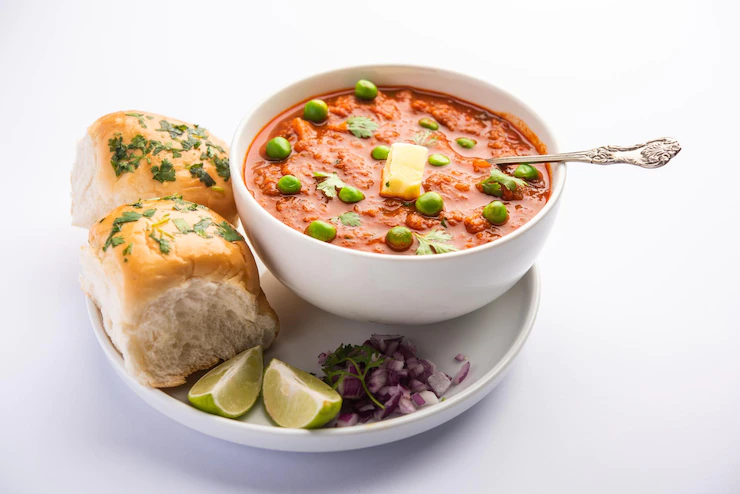
Pav bhaji is a Mumbai street food made of mashed, spiced mixed vegetables (bhaji) served with buttered, toasted bread rolls (pav). At home, it takes about 15 minutes to prep and 30 minutes to cook, and serves 4. The key to a good pav bhaji is a well-made masala, fresh vegetables mashed to a smooth consistency, and pav toasted generously in butter.
Dahi vada, bhel puri, aloo tikki, vada pav, there is no shortage of great Indian street food. But pav bhaji stands out for its intoxicating aroma and buttery, spiced flavour. No matter how strict your diet is, it is hard to resist a plate of it.
This guide walks through an easy pav bhaji recipe so you can recreate this Mumbai classic at home, along with the masala, step-by-step cooking process, and answers to common questions.
Key Highlights: Pav Bhaji Recipe at a Glance
What Is Pav Bhaji?
India has no shortage of iconic fast food, and pav bhaji is one of the most loved, with a large fan following well beyond the country too. It is usually served with soft bread rolls and a spicy, buttery vegetable gravy.
In Marathi and Hindi, “pav” means bread roll and “bhaji” means a dish made with lots of vegetables. Served together, they became known simply as pav bhaji, a name that describes the dish exactly as it is served.
It first appeared in Mumbai as a quick, filling meal for textile mill workers and has since become one of India’s most recognisable street foods.
What Ingredients Do You Need for Pav Bhaji?
Street-side pav bhaji usually leans heavily on onions and potatoes to keep costs down. At home, you can add as many vegetables as you like, and more variety generally makes it taste better.
| Category | What You Need |
|---|---|
| Bread | Pav (soft bread rolls) |
| Vegetables | Potato, cauliflower, carrot, bell pepper, green peas, beans, onion (mix as per taste) |
| Fat | Butter, plus a little oil |
| Spice mix | Pav bhaji masala (store-bought or homemade) |
| Finishing touches | Lemon juice, coriander leaves, chopped onion |
How Do You Make Pav Bhaji Masala at Home?
The masala powder is what gives each cook’s pav bhaji its own signature taste. You can buy a ready-made pack, or make your own with a simple spice blend.
| Spice | Quantity |
|---|---|
| Black cardamom | 1 |
| Coriander seeds | 2 tablespoons |
| Green cardamom | 2 |
| Peppercorns | 1 teaspoon |
| Cumin (jeera) | 1 tablespoon |
| Fennel seeds | 1/2 tablespoon |
| Cinnamon | 1 inch |
| Red chillies | 3 |
| Amchoor (dry mango powder) | 1/2 tablespoon |
| Cloves | 3-4 |
Step-by-Step Pav Bhaji Recipe
1. Prepare the Vegetables
Peel and rinse three medium or two large potatoes. Clean about 1 cup of cauliflower florets, and take half a cup each of green peas and chopped carrots. Feel free to add other vegetables, just keep everything chopped to a similar size so it cooks evenly.
For the masala base, finely chop one medium onion, half a bell pepper and one medium potato. Add green chilli to taste, or skip it if you are cooking for kids, and keep ginger-garlic paste ready.
- 1Add all the vegetables to a pressure cooker or pot with just enough water, and cover it partially.
- 2Pressure cook on medium flame for one to two whistles, until the vegetables are soft.
- 3Once the pressure releases, open the lid and mash all the vegetables well.
2. Prepare the Masala
- 1Heat 1 tablespoon of oil and 1 tablespoon of butter in a pan.
- 2Add the chopped onions and saute until translucent.
- 3Add the ginger-garlic paste and chopped green chilli, and cook until the oil starts to separate. Keep an eye on it so it doesn’t burn.
- 4Add the bell pepper and fry for another 2-3 minutes.
- 5Add one finely chopped tomato with 1 teaspoon of salt, and cook until everything turns soft and mushy.
- 6Add 1 tablespoon of chilli powder and 1.5 tablespoons of pav bhaji masala. Skip the chilli powder for a kid-friendly version, or use Kashmiri lal mirch for colour without much heat.
- 7Mix everything together for 2-3 minutes.
3. Prepare the Bhaji
- 1Add the mashed vegetables to the masala.
- 2Add half a cup of water and adjust to your preferred consistency.
- 3Mix well, season with salt, and cover the pan for a few minutes so the flavours come together.
- 4Once it reaches your desired consistency, add 3/4 tablespoon of kasuri methi, then stir in chopped coriander leaves.
- 5Let it cool slightly and add a squeeze of lemon juice before serving.
4. Toast the Pav
Once the bhaji is ready, it is time to toast the pav on a tawa.
- 1Heat a tawa and add 1 tablespoon of butter.
- 2Slice the pav and place the cut side down on the butter.
- 3Flip and toast both sides until golden and buttery.
How Do You Serve Pav Bhaji?
Garnish the finished bhaji with lemon wedges, chopped onions and fresh coriander leaves for that classic street-food look and aroma, then serve it hot alongside the toasted pav.

The vegetables you use are entirely up to you, so feel free to experiment. The real key to a great pav bhaji is a well-made masala and thoroughly mashed, well-mixed vegetables.
Looking for more homemade recipes? Check out our New Year cakes, desserts and sweets ideas to round out your next meal.
Key Takeaways
- ✓Pav bhaji is a Mumbai street food of spiced, mashed mixed vegetables served with buttered, toasted bread rolls.
- ✓A good homemade version takes about 15 minutes to prep and 30 minutes to cook, serving 4.
- ✓The masala, made from 10 common spices, is what gives each cook’s pav bhaji its unique flavour.
- ✓Mash the vegetables thoroughly and mix well with the masala for the right restaurant-style texture.
- ✓Toast the pav generously in butter and finish the bhaji with lemon juice and fresh coriander.
FAQs: Pav Bhaji Recipe
How long does homemade pav bhaji take to make?
It takes about 15 minutes to prep the vegetables and roughly 30 minutes to cook, for a total of around 45 minutes for 4 servings.
Can I use store-bought pav bhaji masala?
Yes, a good store-bought pav bhaji masala works well if you don’t want to make your own spice blend from scratch.
What vegetables go into pav bhaji?
Common choices include potato, cauliflower, carrot, bell pepper, green peas, beans and onion. You can adjust the mix to whatever vegetables you have on hand.
How do I make pav bhaji less spicy for kids?
Skip the red chilli powder and green chilli, and use Kashmiri lal mirch instead, which gives the bhaji its red colour without adding much heat.
Where did pav bhaji originate?
Pav bhaji originated in Mumbai as a quick, affordable meal for mill workers and later became one of India’s most popular street foods.
What does “pav bhaji” actually mean?
In Marathi and Hindi, “pav” means bread roll and “bhaji” refers to a dish made with lots of vegetables. Served together, the combination is called pav bhaji.



One comment on “Pav Bhaji Recipe: Easy Homemade Mumbai Street Food (2026)”