
Introduction
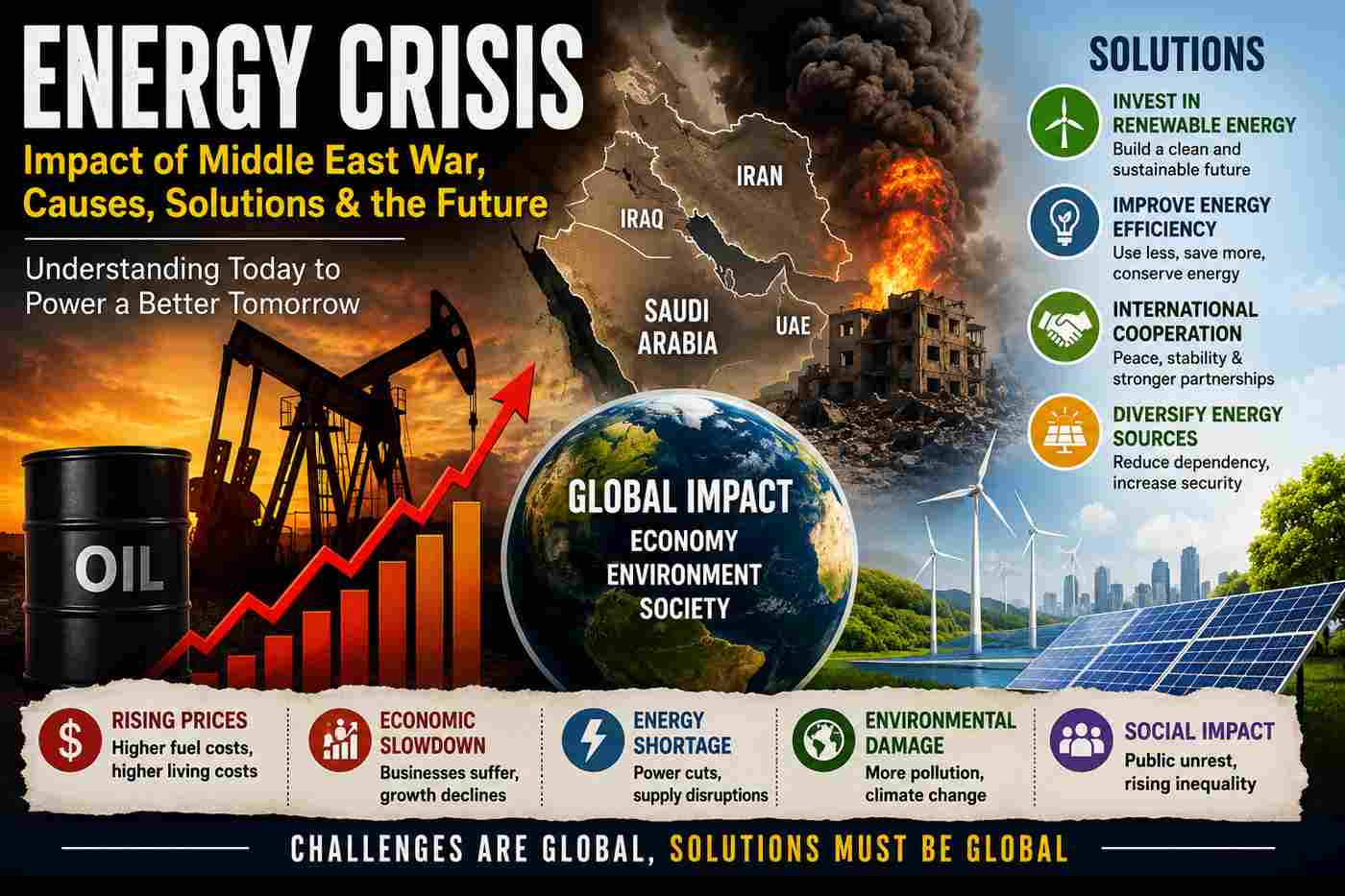
The global energy crisis has emerged as one of the most serious economic and geopolitical challenges of the modern era. Across the world, countries are facing rising fuel prices, electricity shortages, inflation, transportation disruptions, and economic uncertainty. One of the biggest reasons behind this growing crisis is the ongoing conflict and political instability in the Middle East, a region that holds a major share of the world’s oil and natural gas reserves. Because modern economies depend heavily on energy for transportation, manufacturing, electricity generation, communication systems, and industrial growth, even a small disruption in global energy supply can create large-scale economic and social consequences.
Importance of the Middle East in Global Energy Supply
The Middle East plays a critical role in maintaining global energy stability. Countries such as Saudi Arabia, Iran, Iraq, United Arab Emirates, and Qatar are among the largest producers and exporters of oil and natural gas in the world.
A significant portion of global fuel transportation passes through strategic routes such as the Strait of Hormuz and the Suez Canal. Whenever war, military tensions, or political conflicts threaten these regions, global energy markets react immediately. Oil prices rise rapidly, fuel supplies become unstable, and countries dependent on imported energy begin to experience financial and industrial pressure.
What Is an Energy Crisis?
An energy crisis occurs when the global demand for energy becomes higher than the available supply. This imbalance creates shortages, increases energy costs, and slows economic growth. In today’s world, energy demand is constantly increasing due to population growth, rapid industrialization, urban development, and expanding digital infrastructure.
Industries, transportation systems, data centers, healthcare facilities, and households all require continuous and reliable energy supply. However, the world still depends heavily on fossil fuels such as oil, coal, and natural gas. Since these resources are limited and vulnerable to geopolitical conflicts, any disruption in supply can quickly create instability in global markets.
How Middle East Wars Trigger the Energy Crisis
Wars in the Middle East have historically had a major influence on global energy prices. During periods of conflict, oil production facilities, pipelines, and transportation systems may become damaged or restricted. Sanctions imposed on oil-producing countries can further reduce global supply.
Even the fear of future disruptions can create panic in international energy markets. Investors and fuel traders often increase prices in anticipation of shortages, leading to rapid inflation in fuel costs. As crude oil prices rise, the cost of petrol, diesel, aviation fuel, and cooking gas also increases. This affects transportation, manufacturing, logistics, agriculture, and household expenses across the world.
Rising Fuel Prices and Inflation
The impact of rising fuel prices extends far beyond the energy sector. Transportation becomes more expensive, increasing the cost of goods and services. Businesses face higher operational expenses due to expensive electricity and fuel.
Manufacturing industries struggle with increased production costs, while airlines and shipping companies experience financial pressure from rising fuel consumption. Eventually, these higher costs are passed on to consumers, resulting in inflation and a higher cost of living. In many developing countries, rising energy prices create severe financial pressure on middle-class and low-income households.
Natural Gas Shortages and Electricity Problems
Another major consequence of Middle East conflicts is instability in natural gas supply. Many countries rely on imported natural gas for electricity generation, industrial production, and heating systems.
When gas exports are disrupted due to geopolitical tensions, electricity shortages and blackouts may occur. Industries dependent on stable power supply often experience production slowdowns or temporary shutdowns. This reduces economic productivity and affects employment rates.
Energy shortages can also disrupt hospitals, schools, communication systems, and digital infrastructure, affecting the daily lives of millions of people.
Environmental Impact of the Energy Crisis
The global energy crisis is also closely connected to environmental challenges. Heavy dependence on fossil fuels contributes to air pollution, carbon emissions, and climate change.
During energy shortages, some countries increase coal usage to maintain electricity production, which further worsens environmental damage. Climate change itself also creates additional pressure on global energy systems.
Heatwaves increase electricity demand for cooling systems, while floods, droughts, and storms damage energy infrastructure and reduce power generation capacity. Hydropower systems may suffer during drought conditions, while extreme weather events can disrupt electricity grids and transportation networks.
Dependence on Fossil Fuels
One of the underlying causes of the energy crisis is the world’s heavy dependence on fossil fuels. Oil, coal, and natural gas still supply the majority of global energy demand.
Because these resources are limited and concentrated in specific regions, countries remain vulnerable to supply disruptions and price fluctuations. Geopolitical conflicts, export restrictions, and market instability can all affect energy availability.
Overdependence on fossil fuels also increases environmental risks and slows progress toward sustainability.
Slow Transition Toward Renewable Energy
Although renewable energy sources such as solar power, wind energy, and hydropower are growing rapidly, many countries still lack sufficient renewable infrastructure.
High investment costs, outdated electricity grids, limited battery storage systems, and slow policy implementation have delayed the global shift away from fossil fuels. As a result, economies remain vulnerable to oil market fluctuations and geopolitical instability.
However, renewable energy remains one of the most important long-term solutions to the energy crisis.
Social and Economic Consequences
The effects of the energy crisis are not limited to economics alone. Rising energy costs often create social dissatisfaction and political instability. Public protests against fuel price increases and electricity shortages have occurred in many countries.
Financial stress caused by inflation affects mental wellbeing, living standards, and overall quality of life. Low-income families are particularly vulnerable because they spend a larger portion of their income on transportation, food, and utility expenses.
In severe cases, prolonged energy shortages can contribute to unemployment, poverty, and social unrest.
Renewable Energy as a Long-Term Solution
One of the most effective ways to reduce the global energy crisis is through increased investment in renewable energy. Solar and wind power offer cleaner alternatives to fossil fuels and reduce dependence on politically unstable regions.
Advances in battery storage systems, smart electricity grids, and green hydrogen technology are helping countries improve energy efficiency and reliability. Renewable energy projects also create employment opportunities and support environmental sustainability.
Countries investing in clean energy infrastructure today are likely to become stronger and more energy secure in the future.
Importance of Energy Efficiency
Improving energy efficiency is another critical solution. Governments, industries, and individuals can reduce energy consumption through modern technologies and responsible usage.
Energy-efficient appliances, LED lighting systems, smart buildings, and improved public transportation can significantly reduce overall demand. Industries can adopt advanced manufacturing technologies that consume less electricity and fuel.
Reducing unnecessary energy waste not only lowers costs but also improves long-term energy security.
Role of International Cooperation
Countries also need to diversify their energy sources and supply chains. Relying too heavily on one region or one type of fuel increases vulnerability during global conflicts.
International cooperation is essential for maintaining stable energy markets. Diplomatic efforts to maintain stability in the Middle East and protect global shipping routes are important for ensuring uninterrupted energy supply.
Global collaboration on renewable technology, climate action, and sustainable energy policies can help reduce future crises.
How Individuals Can Help
Individuals can also contribute to reducing the impact of the energy crisis by adopting responsible energy habits. Conserving electricity, reducing unnecessary fuel usage, using public transportation, and supporting sustainable products can collectively make a significant difference.
Public awareness about climate change, energy conservation, and renewable energy adoption is becoming increasingly important in building a more sustainable future.
Future of Global Energy
The future of global energy depends on innovation, sustainability, and international cooperation. Emerging technologies such as smart grids, artificial intelligence for energy management, electric vehicles, and advanced renewable systems are reshaping the global energy landscape.
Countries investing in clean energy infrastructure today are likely to become more economically stable and energy secure in the future.
The transition toward renewable energy is no longer just an environmental choice — it has become an economic and strategic necessity.
Conclusion
The global energy crisis is deeply connected to geopolitical tensions, especially conflicts in the Middle East. Wars and political instability disrupt oil and gas supplies, increase fuel prices, create inflation, and affect economies worldwide.
At the same time, growing energy demand, climate change, and dependence on fossil fuels continue to increase global vulnerability. However, the crisis also offers an opportunity to transition toward cleaner, smarter, and more sustainable energy systems.
By investing in renewable energy, improving energy efficiency, strengthening international cooperation, and encouraging responsible consumption, the world can create a more secure and environmentally sustainable future for generations to come.
The solution to the energy crisis is not simply producing more energy — it is about building a balanced system that supports economic growth while protecting the environment and ensuring long-term global stability.
Frequently Asked Questions (FAQs) About the Energy Crisis
The global energy crisis is mainly caused by increasing energy demand, dependence on fossil fuels, geopolitical conflicts, climate change, and disruptions in oil and gas supply chains.
Middle East conflicts disrupt oil and natural gas production and transportation routes, causing global fuel prices to rise due to supply uncertainty and market instability.
Countries heavily dependent on imported oil and natural gas are usually the most affected, especially developing nations with limited domestic energy resources.
The energy crisis increases fuel prices, electricity bills, transportation costs, food prices, and overall living expenses, affecting households and businesses worldwide.
The crisis can cause inflation, industrial slowdowns, unemployment, reduced economic growth, supply chain disruptions, and higher operational costs for businesses.